


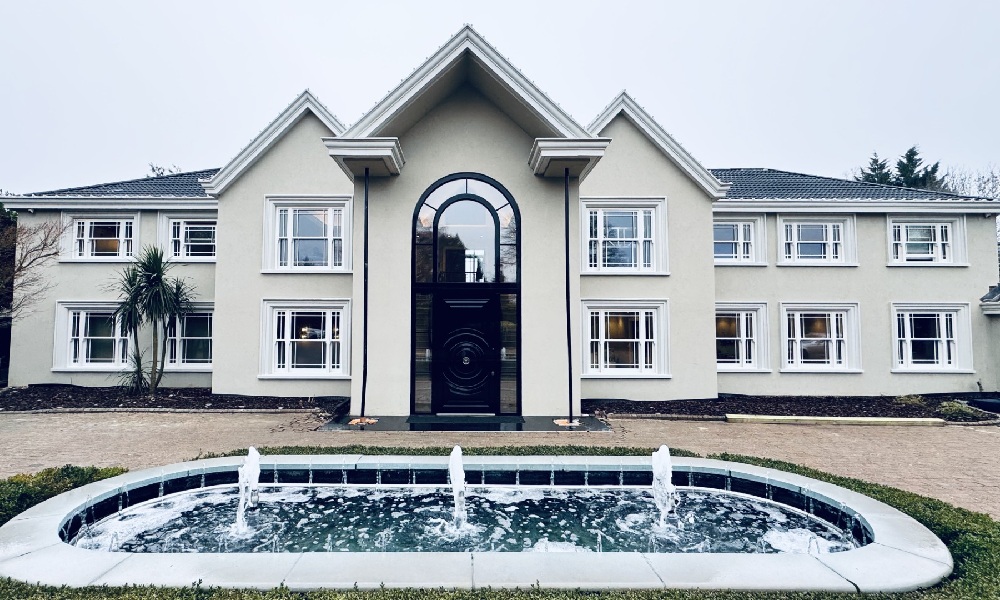
Your home should feel welcoming from the moment you turn the key. Perhaps you love your traditional front door or the sash windows that give your rooms their character. Keeping those details while improving security starts with understanding where your home needs more protection.
Some improvements are straightforward, from repairing a loose hinge to using your locks consistently. Others call for a replacement designed to resist forced entry. Here’s how to assess your windows and doors, choose suitable upgrades and feel more confident about the protection around you.
What Does “Burglar Proof” Mean?
People often search for burglar proof windows and doors when they want stronger home security. In practice, no product can guarantee protection against every attack. The more accurate term is “burglar resistant”.
Burglar resistance describes how well a window or door withstands attempts to force it open or create an opening large enough to gain entry. This might involve levering the frame, attacking the lock or breaking through the glazing. The aim is to make entry more difficult and time-consuming.
Independent testing helps establish how a particular product performs under defined conditions, using specified tools and attack times. When comparing options, ask what was tested and whether the certification covers your chosen specification. This gives you a clearer picture of the protection you’re buying than the words “burglar proof” alone.
How to Burglar Proof Your Front Door
Start by checking whether your door closes squarely and locks without sticking. Loose hinges, damaged timber and movement around the frame deserve attention, especially if you need to lift or push the door to turn the key. Ask a qualified locksmith to assess the whole assembly, including the frame and the fittings that receive the locking bolts, and recommend compatible repairs or reinforcement.
If your door uses a euro cylinder, Police recommend a three-star TS007 cylinder when replacing the lock. Have it correctly sized and fitted by a professional, and remember that upgrading the lock is only one part of improving the door’s overall security.
It’s also worth checking your letterbox. A suitable internal letterbox guard can help prevent someone reaching through to retrieve nearby keys or belongings. Keep keys out of sight and away from letterboxes and nearby glazing.
Finally, make locking up a consistent habit. Follow the manufacturer’s instructions rather than assuming a closed door is fully secured. If you’re unsure how your multipoint lock operates, ask your locksmith to demonstrate the complete locking sequence.
Choosing Burglar Proof Doors
When comparing burglar proof doors, ask for evidence that covers the complete doorset, including its frame and hardware.
PAS 24 provides a residential security benchmark, but LPS 1175 SR3 represents a substantially more demanding forced-entry test. Stronghold offers SR3-rated security doors. Confirm the certification for your chosen configuration, including any glazing or sidelights.
Under LPS 1175 Issue 8, SR3 corresponds to C5: resistance to category C tools for at least five minutes of active attack time. That is a test classification, rather than a promise about every real burglary.
How to Burglar Proof Your Windows
If you’re wondering how to burglar proof windows, begin with the ones someone could reach from outside. Check that handles and locks work, frames are sound and opening sections close securely.
Suitable sash stops or additional locks may improve existing windows. A locksmith can advise on compatible fittings. Police.uk also recommends laminated glass or security film for accessible windows. Have a specialist assess the glazing and frame together before ordering an upgrade.
Choosing Burglar Proof Windows
With burglar proof windows, ask how the glass is secured within the frame and how the opening section locks. Reinforcement should support the whole window.
Stronghold’s security sash and casement windows combine concealed steel frames with multipoint locking and P6B security glazing as standard. Their finishes allow you to retain a traditional appearance. Ask our team which specification suits your property and what testing supports each feature.
Burglar Resistant Windows vs Standard Windows
Double glazing describes the arrangement of panes; it doesn’t establish a window’s resistance to forced entry. Standard windows differ widely in their security features.
Burglar resistant windows use glazing, reinforced frames and locking systems designed to work together to resist forced entry. Laminated security glass contains layers that help hold it together when damaged, making it harder to create an opening. Strong frames and secure fixings help resist attempts to prise the window open, while multipoint locks secure the opening section at several positions around the frame.
Burglar Resistant Doors: What to Look For
When assessing burglar resistant doors, look at how the whole doorset works together. The door leaf, which is the opening panel, needs robust construction, while the frame must support it securely. Ask how the hinges and locking points are reinforced, and what protection helps prevent the lock from being forced or tampered with. A strong lock can only do its job if the surrounding door and frame can withstand pressure too.
Installation deserves just as much attention. Check that the doorset will be fitted according to the manufacturer’s requirements, with suitable fixings into sound surrounding construction. If you’re replacing an older door, ask your installer whether the opening needs any repairs before fitting begins.
Secure Accessible Windows and Doors
Include rear doors, patio doors and windows above flat roofs in your checks. Move bins and garden furniture that could help someone reach an opening, and store ladders securely.
Check sliding patio doors for suitable anti-lift protection. Keep approaches visible where possible. Cameras and alarms can support your precautions, but physical security still matters: a camera cannot hold a vulnerable window shut.
When Should You Replace Your Doors or Windows?
Arrange an assessment if frames are rotten, locks repeatedly fail, or previous damage has weakened the opening. Repairs may be sufficient where the surrounding structure remains sound.
Replacement becomes more sensible when repairs cannot provide the protection you need. A survey should consider the building around the opening as well as the new product.
Are Burglar Proof Doors and Windows Worth It?
The right investment depends on your property’s exposure and existing weaknesses. Start with accessible openings that offer the least resistance, especially those hidden from view.
Check your insurer’s security conditions before buying. Avoid assuming that an upgrade automatically reduces premiums. Choose protection you can use comfortably every day.
How to Choose Burglar Proof Windows and Doors
Bring your concerns and design preferences to a specialist survey. Ask for written specifications, relevant certificates and a clear installation plan.
Ask to see a sample finish and try the handles for yourself if you can. Consider who will use the door or window, including children or anyone with limited dexterity. Security features should be easy for your household to operate and maintain over time.
At Stronghold, we can help you find security that suits your home’s character. Explore our Security Doors and Security Windows ranges, then speak to our team about your property.
Frequently Asked Questions
Can I improve security without replacing everything?
Yes. Sound doors and windows may benefit from compatible locks, reinforcement or glazing upgrades after assessment.
Does security film make glass unbreakable?
No. It can hold broken fragments together. Resistance depends on the film, attachment and existing window.
Do secure windows need to look different?
No. Concealed reinforcement allows security windows to preserve familiar sash or casement styling.
