



%402x.svg)


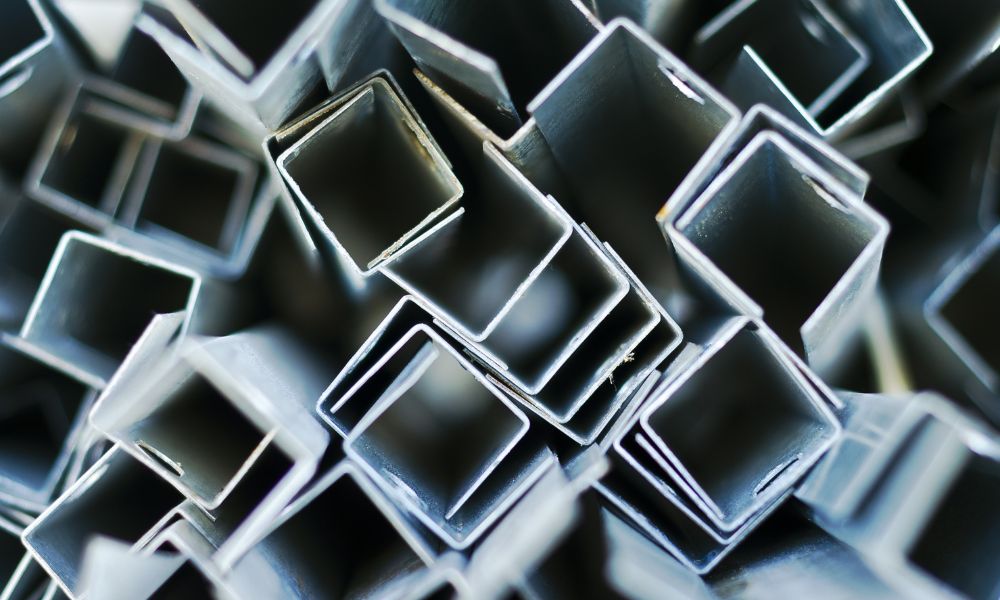
When you are choosing a security door, the material matters just as much as the lock, frame, and installation. One term you will often come across is galvanised steel, especially when comparing high-performance external doors built for strength and durability. But what is galvanised steel, how does it differ from stainless steel, and why is it such a popular choice for security doors?
At its simplest, galvanised steel is steel coated with a layer of zinc to help protect it from corrosion. That added layer makes it a practical choice for products exposed to changing weather, everyday wear, and long-term outdoor use, including security doors.
What Is Galvanised Steel?
To understand what galvanised steel is, it helps to start with the base metal. Steel is valued for its strength, rigidity, and security benefits, but untreated steel can corrode when it is exposed to moisture and oxygen over time. Galvanising solves that problem by applying a zinc coating over the surface of the steel.
This zinc coating acts as a barrier between the steel and the outside environment. It helps reduce the risk of rust on the underlying metal, which means the galvanised steel material is better suited to external use than plain untreated steel. That is one reason it is used in construction, gates, railings, and security doors.
How Is Galvanised Steel Made?
The galvanising process usually begins with cleaning the steel thoroughly to remove dirt, grease, and scale. Once the surface is properly prepared, the steel is coated with zinc. One of the most common methods is hot-dip galvanising, where the steel is submerged in molten zinc. This creates a bonded outer layer that is designed to protect the steel beneath it.
Whatever the method, the goal is the same: a protective zinc coating that helps the steel resist corrosion and perform well over time.
Galvanised Steel vs Stainless Steel
Both are used in demanding environments, and both offer corrosion resistance, but they are not the same.
Galvanised steel starts as standard steel and then gains a zinc coating for protection. Stainless steel, by contrast, contains chromium within the steel itself. That chromium helps create a protective surface layer that resists corrosion without the need for an added coating.
Stainless steel is often associated with a sleeker appearance and strong corrosion resistance, but it is usually more expensive. Galvanised steel is often chosen when you want strength, dependable protection, and better value. When comparing galvanised steel vs stainless steel, the best option depends on the setting and finish, but galvanised steel is often a sensible choice for security doors.
Can Galvanised Steel Rust?
The honest answer is yes, it can eventually show signs of corrosion, but it is much more resistant to rust than untreated steel.
The zinc coating protects the steel beneath. Over time, that coating can wear down, especially if the surface is damaged or the material is exposed to harsh conditions for years. Even so, galvanised steel delays corrosion significantly and offers a much longer service life than plain steel in many everyday environments.
It performs very well compared with untreated steel, which is one of the main benefits of galvanised steel and a key reason it is used for external doors, frames, and protective structures.
Benefits of Galvanised Steel
The main benefits of galvanised steel are strength, corrosion resistance, value, and relatively low maintenance. Together, these qualities make it well-suited to demanding external applications and a dependable choice where resilience and longevity matter.
Why It Is Used in Security Doors
Security doors need to do more than resist forced entry. They also need to stay reliable over time, maintain their structural integrity, and continue performing in real-world weather conditions. That is where galvanised steel comes into its own.
Because galvanised steel is both strong and corrosion-resistant, it is well-suited for use in doors that are expected to provide serious protection at an external entry point. A door built with a galvanised steel core can deliver the robust feel people want from a security product while also offering better resistance to the moisture and environmental exposure that can affect ordinary steel.
In these situations, doors with a galvanised steel structure offer more than toughness. They provide durability, stability, and peace of mind.
At Stronghold, material choice is part of the bigger picture. A high-quality security door is about how the door leaf, frame, locking system, hardware, and installation work together. Using galvanised steel in the construction of a security door supports that overall performance, helping create a product built to last as well as protect.
If you are exploring options for a secure entrance, take a look at the Stronghold security doors range to see how material quality and engineering work together in a properly designed system.
Why Galvanised Steel Makes Sense for Security Doors
So, what is galvanised steel? It is steel protected by a zinc coating that improves corrosion resistance without losing the core strength that makes steel so widely trusted. For security doors, that makes it one of the most practical and reliable options for long-term external use.
For expert advice on choosing the right door for your property, contact Stronghold and speak to a team that understands how materials, design, and security performance all fit together.
