



%402x.svg)


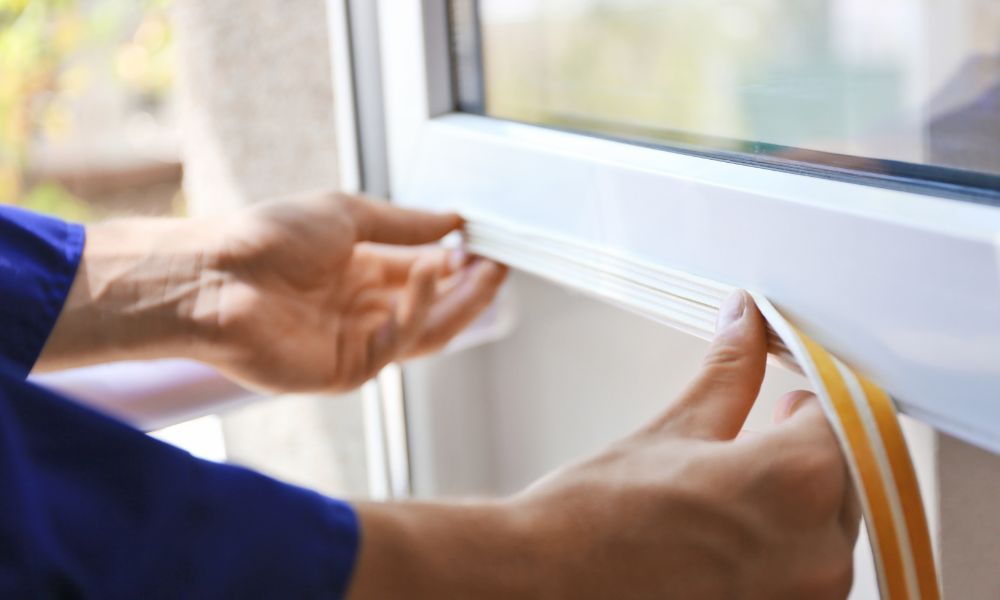
A draughty window can make a whole room feel colder than it should. The good news is you can often improve comfort, reduce heat loss, and soften outside noise without replacing the whole unit. This guide covers practical window insulation options, from quick fixes to more robust upgrades, plus simple checks to keep everything working year-round.
Tools and Materials Needed to Insulate Windows
You will not need everything on this list. Most projects fall into sealing gaps, adding a secondary layer, and improving how the room holds heat.
Basics: tape measure, scissors or a craft knife, microfibre cloths, mild cleaner, vacuum brush, step stool.
For sealing and gap filling: self-adhesive draught strips (foam, rubber, silicone, or brush pile), decorators’ caulk for internal trim gaps, exterior grade silicone and a sealant gun, backer rod for wider gaps.
For film and secondary glazing: a window insulation film kit, double-sided tape (often included), a hairdryer, a magnetic secondary glazing kit or acrylic sheet, and Velcro strips for removable panels.
For heavier thermal and noise treatments: thermal curtains or lined curtains, well-fitted blinds, a sill draught excluder if you have a clear airflow path.
Safety extras: gloves and safety glasses if you are cutting acrylic, masking tape for neat sealant lines.
Planning and Preparation for Insulating Windows
Before you start to insulate windows, do a quick diagnosis. It saves time and helps you choose the right fix.
Name the problem: cold draughts, condensation, road noise, or all three. Sealing helps with heat loss and whistling air paths, while secondary glazing is usually the better route for window sound insulation.
Check the window condition: loose trim, rotten timber, failed putty, cracked seals, or hardware that no longer pulls the sash tight. If the window cannot close properly, insulation will only ever be a partial fix.
Find the air leaks: on a windy day, run your hand around the frame and opening edges, or hold a tissue near suspected gaps.
Clean and dry surfaces: film kits and adhesive strips only stick well to clean, dry frames.
Think about daily use: choose solutions that still let you open the window easily if you use it often.
How to Install Window Insulation by Types
Most homes get the best result from a combination: seal the air leaks first, then add a secondary layer if you need a bigger improvement.
1) Draught proofing with seals and strips
This is usually the fastest way to improve an insulating window setup. You will often feel the difference immediately.
- Pick the right strip: foam is easy to fit but can compress sooner, rubber or silicone usually lasts longer, and brush pile can suit some sliding or sash arrangements.
- Measure, cut, and apply in clean lines: continuous runs reduce weak points.
- Fit where it seals best: on many windows, that is, the fixed frame rather than the moving part.
- Test the close: if the window becomes hard to shut, swap to a thinner seal.
Focus on the sides and top of the opening sash or casement, the meeting points on sashes, and the bottom rail where air often sneaks in.
2) Seal gaps around the frame
Sometimes the draught is not coming through the window itself, but through gaps between the frame and the surrounding wall.
- Use decorators’ caulk inside where the surround meets the plaster.
- Use exterior-grade silicone outside where the frame meets masonry or trim, keeping the bead neat and continuous.
- Do not block drainage paths or weep holes on modern frames.
This step can also reduce certain types of noise, because air gaps are also sound paths.
3) Window insulation film for seasonal improvement
Film kits create a still air layer that reduces heat loss and draughts. They are best for windows that you do not need to open regularly.
- Clean the frame and let it dry.
- Apply the double-sided tape around the frame.
- Cut the film slightly oversized, smooth it on, then shrink it with a hairdryer from the centre out.
Film is mainly a thermal solution rather than a true acoustic upgrade.
4) Secondary glazing for a bigger step up
Secondary glazing adds an internal pane and a larger air gap than film can provide. It can be removable or fixed, and it is one of the most effective upgrades if you are looking for how to sound insulate a window without changing the external appearance.
Magnetic or clip-in panels
- Measure the reveal carefully.
- Fit the tape or clips, then attach the panel and check the seal all around.
DIY acrylic sheet
- Cut with the correct tools, wear eye protection, and avoid stressing the sheet.
- Add a compressible seal around the edges if possible.
- Fit so it sits neatly in the reveal and can be removed for cleaning.
For sound, a larger air gap generally performs better than a tight gap, which is why secondary glazing can outperform thin add-ons for window sound insulation.
5) Curtains and blinds that support insulation
Soft furnishings will not fix a draught on their own, but they can help once you have sealed air leaks.
- Choose thermal linings or interlinings.
- Fit curtains so they overlap the frame and sit close to the wall.
- If you use blinds, a snug fit helps reduce convective airflow near the glass.
Heavier fabrics can also soften noise, especially when combined with sealing and a secondary layer.
How to Maintain Window Insulation All Year Round
A few quick checks keep window insulation working as intended.
- Inspect draught strips each season and replace any sections that have compressed or lifted.
- Wipe seals gently during cleaning; harsh solvents can damage rubber.
- If you add layers, watch for condensation and manage humidity with ventilation, extractor fans, and clear trickle vents where present.
- Remove seasonal film carefully to avoid residue, then clean frames before reapplying next year.
- Check exterior sealant after extreme heat or cold for cracking or gaps.
Safety Considerations When Insulating Windows
- Use a stable step stool, not a chair.
- Ventilate when using sealants and follow the product instructions.
- Cut away from your body and use a cutting surface.
- If a window is needed as an emergency exit, avoid permanent fixes that prevent quick opening or removal.
- Do not block ventilation features or drainage channels.
Replacement vs Insulation
Insulation is ideal when the window is structurally sound but feels draughty, noisy, or cold. Replacement may be the better call if frames are warped or rotten, double glazing has failed and is misting, the window will not close correctly, or you want a major upgrade in security as well as comfort.
A Stronger Long-term Option
If you want comfort improvements alongside robust protection, explore Stronghold’s security windows range. Built for strength as well as performance, they offer a practical route to improving your home’s overall resilience while addressing draughts and glazing performance.
