



%402x.svg)


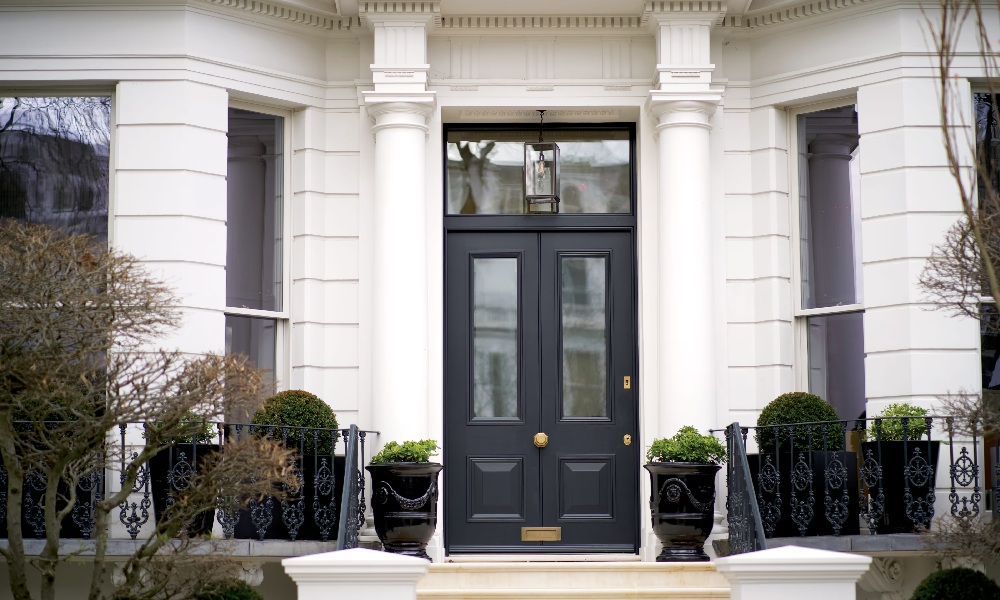
A Victorian front door does more than create a first impression. It sets the tone for the property, reflects the home’s history, and adds character that many newer designs struggle to match. Whether you own a period house or simply like the look, there is a reason Victorian front doors remain one of the most sought-after styles in the UK.
With bold colours, decorative glazing, solid timber construction, and panelled detailing, the classic Victorian-style front door still feels relevant today. It suits terraced homes, villas, townhouses, and newer properties that want a more traditional entrance. Modern homeowners, though, expect more than Victorian households once did. A door must look right, but it also needs to feel secure, weather-resistant, and practical.
A Quick Look at the History of Victorian Doors
To understand how Victorian front doors became so recognisable, it helps to look at the period itself. The Victorian era, from 1837 to 1901, was a time of rapid urban growth and large-scale housebuilding. Terraced streets appeared across London and other cities, bringing a more defined approach to domestic architecture.
Front doors became an important visual feature. They were designed to show status, craftsmanship, and individuality, even on modest homes. Entrances often included decorative surrounds, fanlights, stained or frosted glass, and detailed mouldings. Deep greens, rich reds, black, navy, and burgundy were commonly used to give the façade more presence.
In many cases, the original Victorian homes were fitted with a solid timber design shaped as much by proportion as practicality. The result was a door that felt substantial, elegant, and closely tied to the building’s character.
What Defines a Victorian Style Front Door?
There is no single blueprint, but a Victorian-style front door usually includes a few recognisable features.
Panelled construction is one of the most common. Many Victorian doors have four or six panels, with the upper section often glazed and the lower section left solid for privacy and strength. Some designs use arched glazing, while others use rectangular panes with decorative leading or stained glass.
Raised mouldings give the door more depth, while traditional letterplates, centre knobs, pull handles, and knockers complete the look. Colour matters just as much as construction. A deep finish can make even a simple design feel authentic, which is why homeowners often spend as much time on colour as on the door itself.
Although materials have evolved, timber remains closely associated with the style. Modern versions may also include engineered cores, insulated panels, advanced locking systems, and improved seals behind the traditional appearance.
Common Types of Victorian Front Doors
If you are looking at Victorian front doors, you will notice that the term covers a range of designs rather than one exact style.
Four-panel Victorian doors
A traditional four-panel layout often has two smaller upper panels and two longer lower panels. The top panels may be glazed, frosted, or filled with stained glass, depending on the level of privacy and decoration required.
Six-panel doors
A six-panel design adds more structure and formality. These doors can feel more refined and symmetrical, which suits grander entrances and larger period homes.
Glazed Victorian entrance doors
Many homeowners choose a Victorian-style front door with decorative glazing because it helps bring natural light into the hallway. Stained glass, etched glass, and patterned obscured glass are all popular where preserving period character matters.
Doors with fanlights and side panels
Some Victorian entrances include more than the door leaf itself. Fanlights above the door and glazed side panels create a larger entrance feature and allow more light into the home. These details are especially common on taller London properties.
Why Victorian Doors are Still Popular
The lasting appeal of the Victorian front door comes down to character and presence. These doors have more personality than many off-the-shelf modern alternatives and tend to sit more naturally with the architecture of the house.
For period properties, the right door protects kerb appeal and keeps the entrance in proportion with the rest of the façade. For newer homes, a Victorian-style front door offers warmth and detail where plain modern joinery can feel anonymous.
It is also possible to keep the panelled look, glazing style, and traditional proportions while improving insulation, draught-proofing, and durability.
Are Victorian Front Doors Secure?
This is one of the biggest questions people ask, and rightly so. Traditional appearance should never come at the expense of safety. Older timber doors, especially those that have warped, thinned, or been repeatedly repaired, may not offer the protection expected in a modern home.
That does not mean a Victorian front door has to be insecure. The key lies in how the door is built and what sits behind the design.
A modern security-focused version can include a reinforced core, stronger frame construction, upgraded hinges, laminated or specialist glazing, and multi-point locking. That means homeowners do not have to choose between period character and peace of mind.
For anyone wondering whether Victorian front doors are suitable where security matters, the answer is yes, provided the door is designed with current performance standards in mind. That is especially important in urban areas, on exposed entrances, or in homes where the front door is a main access point.
At Stronghold, this is where the conversation becomes especially relevant. Many people love the look of a classic entrance but want far more protection than a standard decorative door can offer. A security door can still sit comfortably with traditional architecture while delivering much higher resistance.
Choosing the Right Victorian Style Front Door
If you are deciding how to make the right choice when buying a Victorian-style front door, start with the house itself. Look at the age of the property, the proportions of the entrance, the surrounding brickwork or render, and any original features that remain. A well-chosen door should feel like part of the building rather than an afterthought.
Then think about the practical requirements. Do you want more light in the hallway? Is privacy a concern? Do you need better thermal performance? Is security the main priority? These answers will guide decisions on glazing, panel layout, hardware, and construction.
Details matter too. The colour, frame finish, ironmongery, and glass pattern all have a big effect on the final result.
Period Character with Modern Protection
A well-designed Victorian-style front door offers the best of both worlds. It respects the visual language of the past while meeting modern demands, which is exactly why the style still appeals to homeowners who care about both appearance and performance.
Whether you are restoring a period property, replacing a tired entrance, or simply exploring options that feel more substantial and distinctive, a Victorian-inspired door remains a strong choice. And if security is part of the brief, it makes sense to look beyond appearance alone and consider what the door is really made to do.
Explore our security doors range to see how traditional design cues and serious protection can work together in one entrance solution.
