



%402x.svg)


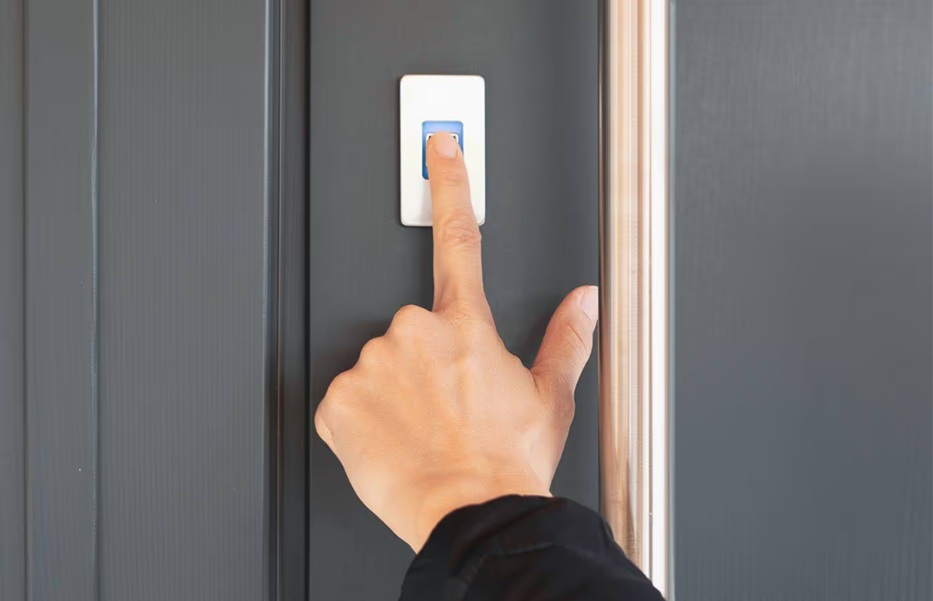
A front door lock keyless entry system can feel like a big leap if you have only ever used a traditional key. For some homeowners, the appeal is convenience. For others, it is about tighter control over who comes and goes. Either way, understanding how keyless door locks work helps you decide whether this type of lock is right for your home.
Modern keyless door locks are designed to remove the need for a physical key in day-to-day use. Instead of relying on a metal key turning a cylinder, they use a code, fingerprint, key card, smartphone app, or another approved method to trigger the locking mechanism. In the right setup, a keyless front door lock can make access easier without giving up security.
What is a Keyless Door Lock?
A keyless door lock is a locking system that lets you unlock or lock a door without inserting a traditional key. Some models are fully keyless, while others include a hidden key override as a backup. You might see them fitted on homes, apartment entrances, offices, and high-security properties where convenience and control both matter.
There are several common types of keyless door locks:
- Keypad locks use a PIN code entered on a number pad.
- Biometric locks use fingerprint recognition.
- RFID or fob systems unlock when an approved tag or card is presented.
- Smart locks connect to an app, intercom, or wider home automation system.
A keyless front door lock is not only about skipping the key. It is about changing how access is managed. Instead of cutting spare keys for family members, guests, or contractors, you can issue codes, permissions, or digital credentials. That can be far easier to manage, especially in busy households.
How do Keyless Door Locks Work?
If you have been wondering how keyless door locks work, the basic principle is simple. The lock checks whether the person trying to enter has provided the correct form of access. If the code, fingerprint, fob, or app command matches what the system expects, it allows the mechanism to release. If not, the door stays locked.
Behind that simple user experience is a combination of electronics and hardware. Most keyless door locks include three core parts: the access reader, the control system, and the locking mechanism itself.
The access reader is the part you interact with. That may be a keypad, a fingerprint scanner, an RFID reader, or a connected app.
The control system is the brain of the lock. It receives the input, checks whether it is authorised, and decides whether to unlock the door.
The locking mechanism is the part that physically secures the door. In some setups, that may be a standard latch or deadbolt. In more advanced security doors, it can form part of a motorised multi-point lock that secures the door at several points.
On high-security doors, the lock itself is only one part of the overall system. A strong door leaf, reinforced frame, quality hinges, precise installation, and a robust locking mechanism all work together. That is worth keeping in mind when comparing a simple retail smart lock with a more complete front door lock keyless entry solution built into a bespoke security door.
Are Keyless Door Locks Secure?
This is usually the first real question people ask, and for good reason. Are keyless locks secure? They can be, but it depends on the quality of the lock, how it is installed, and what kind of door it is fitted to.
A weak lock on a weak door does not become secure just because it is digital. Equally, a well-specified keyless locking system paired with a properly engineered security door can offer a very strong level of protection.
People also often ask whether keyless locks are safer than traditional locks. In some situations, yes. A traditional key can be lost, copied, stolen, or used by someone long after it should have been returned. Keyless door locks reduce some of those risks because access can be managed more directly. A code can be changed, a user can be removed, and time-limited permissions can be set without replacing the whole lock.
That said, how safe keyless door locks are depends on the details. Look for features such as encrypted communication, secure credential management, tamper alerts, audit trails, lockout settings after repeated failed attempts, and reliable backup entry options. It is also important to think about power. Some systems are battery-operated, while others, especially motorised security door systems, may be hard-wired.
Benefits of Keyless Locks vs Traditional Locks
One of the main benefits of keyless door locks is convenience. You do not need to fumble for keys when your hands are full, and you do not need to hide a spare key in an obvious place outdoors.
There is also more control. With a front door lock keyless entry system, you can decide exactly who has access and when. That can be useful for households with teenagers, cleaners, dog walkers, carers, short-term guests, or delivery access in certain circumstances.
Another benefit is flexibility. Many systems can integrate with intercoms, alarms, cameras, and smart home platforms. On a more advanced installation, the keyless front door lock can work as part of a wider entry system rather than acting as a standalone product.
Traditional locks still have strengths. They are simple, familiar, and in many cases reliable. But they are less flexible when access needs change. If a key goes missing, you may need to replace cylinders or even rethink the whole setup. With keyless door locks, changing permissions is usually much easier.
How to Choose the Right Keyless Lock
When choosing keyless door locks, start with the door itself. The right locking solution depends on what it is being fitted to. A solid, well-built door with a strong frame gives any lock a better foundation.
Next, think about how you want to use it. Do you want a simple keypad for family access, a biometric reader for quick entry, or a connected system that links to other technology in the home? The answer will shape the best option.
It is also worth asking practical questions:
- Do you want a fully keyless setup or a manual backup key?
- Will the lock be battery-powered or hard-wired?
- Can access permissions be changed easily?
- Does it work with multi-point locking?
- Is it suitable for external use and weather exposure?
- Who will install it, and how well will it integrate with the door?
For higher security applications, it makes sense to look beyond the lock in isolation. The best results usually come from treating the lock, door, frame, hardware, and installation as one joined-up security system.
Keyless Locking Works Best as Part of the Whole Door
So, how do keyless door locks work? They verify authorised access, trigger the locking mechanism, and make day-to-day entry more manageable. But their real value comes from the wider setup around them.
If you are weighing up whether keyless door locks are right for your property, the answer is rarely just about the lock itself. It is about how the locking system works with the strength of the door, the quality of the hardware, and the standard of installation.
If you are looking for a high-security entrance solution rather than an off-the-shelf retrofit, explore our Security Door Products to see how Stronghold combines advanced locking options with bespoke security doors built around protection, performance, and design.
