



%402x.svg)


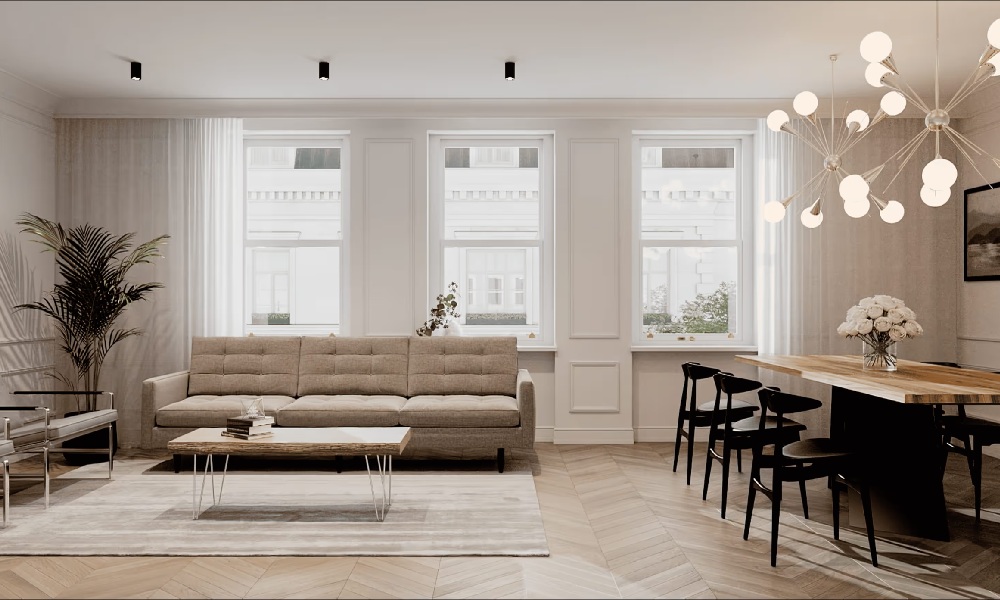
Glass affects warmth, privacy, noise, sunlight, safety and security. A bathroom window does not need the same glass as a rear extension, and a ground-floor sash window facing the street has different risks from an upstairs bedroom.
That is why window glass types should be chosen with the room, building and exposure level in mind. Match the glass to the problem: heat loss, glare, noise, privacy, breakage or attempted entry.
Below, we explain the main types of glass used in windows, what they do and how to choose a suitable option.
Why Different Types of Window Glass Matter
Frames are important, but glass does much of the work. The main different types of window glass deal with heat loss, glare, overheating, traffic noise, privacy, injury risk and weak points that may make forced entry easier.
A window may combine more than one glass feature, such as laminated glass with a Low-E coating, or acoustic glass with stronger framing. Stronghold’s security windows range takes this whole-window approach, with reinforced frames, secure locking and impact-resistant glass in sash and casement styles.
Low-Emissivity (Low-E) Glass
Low-emissivity glass, usually called Low-E glass, is one of the most common types of glass for windows where insulation matters. It has a thin coating that helps control heat transfer. In colder months, it helps reduce heat loss from inside the property. Depending on the specification, it can also help limit unwanted heat gain.
Low-E glass is often used in double or triple glazing. It is a sensible option for living rooms, bedrooms and offices where comfort and heating costs matter. In older properties, it can help when replacing draughty windows, provided the frame and installation are also well specified.
Low-Iron Glass
Standard clear glass can have a slight green tint, especially when seen from the edge. This comes from the iron content in the glass. Low-iron glass has reduced iron content, giving it a clearer and more neutral appearance.
It is often used where clarity and colour accuracy matter, such as display areas, glazed doors, balustrades and large panes where the glass edge can be seen. For domestic windows, low-iron glass is usually chosen for appearance rather than insulation or security.
Toughened Glass
Toughened glass is heat-treated to make it stronger than standard annealed glass. If it breaks, it is designed to fracture into small, granular pieces rather than long, sharp shards.
This makes it common where impact or breakage could create a safety risk, including doors, low-level glazing, side panels, bathrooms and larger glazed sections. It is useful, but not always the strongest security option on its own.
Laminated Glass
Laminated glass is made by bonding two or more sheets of glass with an interlayer, often PVB. If the glass cracks, the interlayer helps hold the fragments together.
This makes laminated glass one of the most useful glass types for windows where safety and security are priorities. It can reduce loose shards after impact and make it harder for an intruder to create a clear opening. It is often used in security windows, shopfronts, glazed doors and exposed ground-floor areas.
Safety Glass
“Safety glass” usually refers to glass that reduces the risk of injury if it breaks. The two most common forms are toughened glass and laminated glass.
Toughened safety glass breaks into smaller pieces. Laminated safety glass is designed to stay together after breakage. Both can be useful, but they do different jobs. For home security, laminated glass is usually more relevant because it can remain in place after impact.
Obscure Glass
Obscure glass is used where privacy matters, but natural light is still wanted. It can be frosted, patterned, textured or sandblasted.
It is common in bathrooms, cloakrooms, front doors, side windows and street-facing rooms. It prevents a clear view into the property without making the space feel dark. Obscure glass does not automatically mean stronger glass, so safety or security performance should be specified separately.
Acoustic Glass
Acoustic glass is designed to reduce outside noise. It is often made as laminated glass with a sound-dampening interlayer.
It can be useful for homes near busy roads, railways, schools, pubs or flight paths. It will not make a room silent, and the frame, seals and installation quality also matter, but the right acoustic glazing can make daily life more comfortable.
Solar Control Glass
Solar control glass helps manage heat from the sun. It allows natural light through while reducing the amount of solar heat that passes into the room.
It is often used for large south-facing or west-facing windows, roof glazing, conservatories and glazed extensions. It can reduce overheating and glare, making bright rooms easier to use in summer. In shaded or north-facing rooms, standard Low-E glass may be more suitable.
How to Choose the Right Glass for Your Windows
Before choosing between different types of glass windows for homes, ask what problem you need to solve first.
For insulation, Low-E glass may be part of the answer. For an exposed ground-floor window, consider laminated or security-rated glazing. For privacy, obscure glass may be enough, unless safety or security is also needed. For noise, acoustic laminated glass can help, especially with good seals and a well-made frame. For overheating, solar control glass may suit larger panes that receive strong sunlight.
The frame matters too. Even high-performing glass will underperform if it sits in a weak or poorly sealed frame. For security, consider the whole window system: frame, locks, hinges, glazing and installation.
A Final Word on Types of Window Glass
There are many types of window glass, but the choice becomes simpler when you start with the room and the risk. For an upstairs bedroom, Low-E double glazing may be enough. For a street-facing ground-floor window, laminated or security glazing may be more suitable. If security is part of the brief, choose a complete window system with the right glazing, strong frames, reliable locks and careful installation.
Need help choosing the right glass windows for your property? Stronghold can help you balance security, style and everyday comfort with made-to-measure options for your home or business. Explore our security windows or speak to the team for friendly, practical advice.
